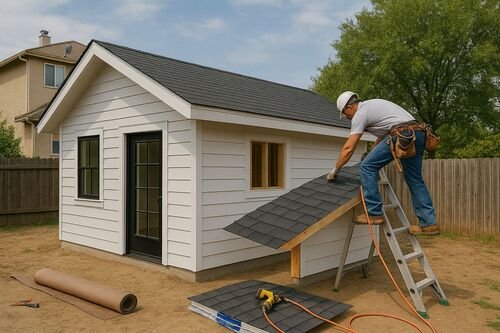
ADU Builders Bay Area is strengthening privacy and fencing design as a core element of detached ADU construction across the Bay Area. The Bay Area’s denser residential patterns mean that ADUs often sit closer to property lines, neighboring structures, and shared spaces than ADUs in less dense regions. Thoughtful privacy planning makes the difference between an ADU that feels like a real home for its occupants and one that feels exposed, watched, or compromised. The company integrates privacy planning into every project from initial site analysis through final landscape coordination.
Privacy planning is multidimensional. Visual privacy protects against direct sight lines into living spaces. Acoustic privacy protects against intrusive sound. Spatial privacy creates a sense of having one’s own zone separate from neighbors and from the main residence on the property. The company addresses each dimension during design.
Site Analysis for Privacy Planning
Effective privacy planning starts with careful site analysis. The company evaluates sightlines from neighboring properties, from the main residence, from public rights of way, and from any elevated viewpoints that overlook the property. Sun angles, prevailing winds, and existing landscape are documented. The analysis identifies where privacy concerns are strongest and where the property already provides natural privacy.
This analysis informs ADU placement, orientation, window positions, and outdoor zone design. Where direct sightlines from neighbors would create issues, the company plans landscape buffers, architectural elements, or window treatments that address them. Where existing landscape already provides good privacy, the company preserves it during construction.
Window Placement and Glazing Strategies
Window placement balances daylight, ventilation, and views with privacy concerns. Bedrooms and bathrooms in particular benefit from window placement that does not face neighboring property windows directly. Living spaces benefit from windows that capture useful views without exposing the interior to direct observation.
Where windows must face directions with privacy concerns, glazing strategies support privacy without sacrificing daylight. Translucent glazing, frosted glass, decorative patterns, and high windows above eye level all deliver light without compromising privacy. Clerestory windows above standard height bring daylight deep into interiors while limiting views in either direction. As Bay Area homeowners pursue detached ADU construction in close proximity to neighbors, ADU Builders Bay Area brings privacy planning experience that protects both the new unit and the existing property from unwanted exposure.
Fencing Design and Materials
Fencing is one of the most common privacy solutions, but fence design matters substantially. Standard panel fences provide visual screening but may not deliver acoustic benefits. Higher fences provide stronger screening but may face height limits, code restrictions, or aesthetic concerns. Material choices affect durability, maintenance, and appearance.
The company specifies fencing that matches each property’s situation. Solid panel fences in materials like cedar, redwood, composite, or vinyl deliver strong visual screening with reasonable maintenance. Concrete or masonry walls provide stronger acoustic performance at higher cost. Combinations of fencing with landscape buffers often deliver the best balance of privacy, cost, and aesthetics.
Height limits for fences vary by jurisdiction and by location on the property. Front yard fences are typically limited to lower heights than rear yard fences. Side yard fences may have intermediate limits. The company designs fencing that meets local rules while delivering the privacy needed.
Landscape Buffers for Layered Privacy
Landscape buffers complement fencing and add layers of privacy. Evergreen shrubs, hedges, and trees provide screening that softens the visual impact of fencing alone. Tall growing species establish faster privacy. Slower growing species deliver long term privacy with more refined character. Mixed plantings combining different species create natural feeling buffers with varied texture and color.
The company plans landscape buffers as part of overall site design. Spacing, species selection, and growth expectations inform what the buffer will look like over five, ten, and twenty year horizons. Trees positioned thoughtfully provide privacy without compromising solar access or creating maintenance burdens. Shrubs sized for their mature dimensions avoid future trimming conflicts.
Acoustic Privacy Planning
Acoustic privacy is often overlooked but matters substantially for daily comfort. Sound transmission between the ADU and the main residence, between the ADU and neighbors, and between the ADU and public streets affects how the unit feels. The company plans acoustic elements alongside visual privacy.
Solid fences and masonry walls reduce sound transmission more than open fencing. Landscape buffers contribute modestly to sound reduction when dense and tall. Building placement that uses the ADU itself to screen the main residence yard from street sound creates acoustic shadows that benefit both structures. Window placement that limits direct sound paths from noise sources supports interior quiet.
Outdoor Zone Privacy
Outdoor zones associated with the ADU benefit from privacy planning. Patios, decks, and small yards exposed to neighbors or to the main residence yard may feel less usable than private outdoor zones. The company plans outdoor space with screening, orientation, and layout choices that support comfortable outdoor use.
Pergolas, trellises, and overhead structures provide overhead screening from elevated views. Side screens, planters, and partial walls define outdoor zones without blocking all views. Furniture placement, lighting design, and surface treatment also contribute to a sense of having a private outdoor room.
Privacy Between ADU and Main Residence
On the same property, privacy between the ADU and the main residence matters for both occupants. The company plans orientation, entries, and outdoor zones so each unit feels independent rather than connected. Entry separation supports the sense of having distinct addresses. Outdoor zones for each unit protect privacy during outdoor use.
Window placement avoids direct sight lines between the ADU and the main residence wherever possible. Where direct sightlines exist, glazing strategies, window coverings, or landscape buffers address them. The company evaluates these interactions during design rather than discovering issues after construction.
Entry and Pathway Privacy
The entry sequence affects how private the ADU feels. Entries that are visible from the street, from neighboring properties, or from the main residence reduce the sense of personal arrival space. Entries placed to provide some screening, with pathway design that supports a sense of approach, deliver better daily experience.
Lighting at entries and along pathways supports safe nighttime use without overexposure. Motion activated lighting reduces light pollution while supporting safety. Pathway materials, edge treatments, and landscape integration all contribute to a welcoming arrival experience.
Smart Privacy Technologies
Smart home technologies can support privacy in modern ways. Smart window treatments allow remote control of blinds or shades for daylight and privacy management. Smart locks support privacy through controlled access without coordinating physical keys. Smart cameras protect against intrusion while respecting privacy boundaries.
The company plans wiring and infrastructure for these technologies during construction so they integrate cleanly. Camera placement specifically considers privacy boundaries with neighbors and within the property.
Long Term Privacy Maintenance
Privacy elements require ongoing care. Fencing requires maintenance and eventual replacement. Landscape buffers require pruning, watering, and occasional replacement. The company specifies materials and species with long term maintenance in mind so privacy is sustainable across years of occupancy.
About ADU Builders Bay Area
ADU Builders Bay Area is a Bay Area residential construction company specializing in detached ADUs, accessory dwelling units, junior ADUs, garage conversions, and related residential construction services. Based in San Jose and serving homeowners across the Bay Area, the company focuses on privacy planning, durable construction, and integrated site design.
ADU Builders Bay Area
111 N Market St suite 378
San Jose, CA 95113, United States